
In the adult entertainment industry, your safety, income, and reputation depend on the people you choose to work with. Whether you’re an adult performer, fetish model, cam creator, or content producer, you may rely on talent agents to help you secure bookings and negotiate rates. When those agents are licensed and bonded, they’re legally required to follow state regulations designed to protect you.
But what happens when an agent crosses the line? What if they withhold earnings, break contracts, or misrepresent opportunities?
Here’s the good news: Adult performers have the same legal protections as mainstream entertainers when dealing with licensed and bonded talent agents.
This guide—created for the AdultTalentList.com community—explains exactly how to file a complaint, what your rights are, and which state agencies handle adult‑industry talent disputes.
Why Licensing & Bonding Matter in the Adult Industry
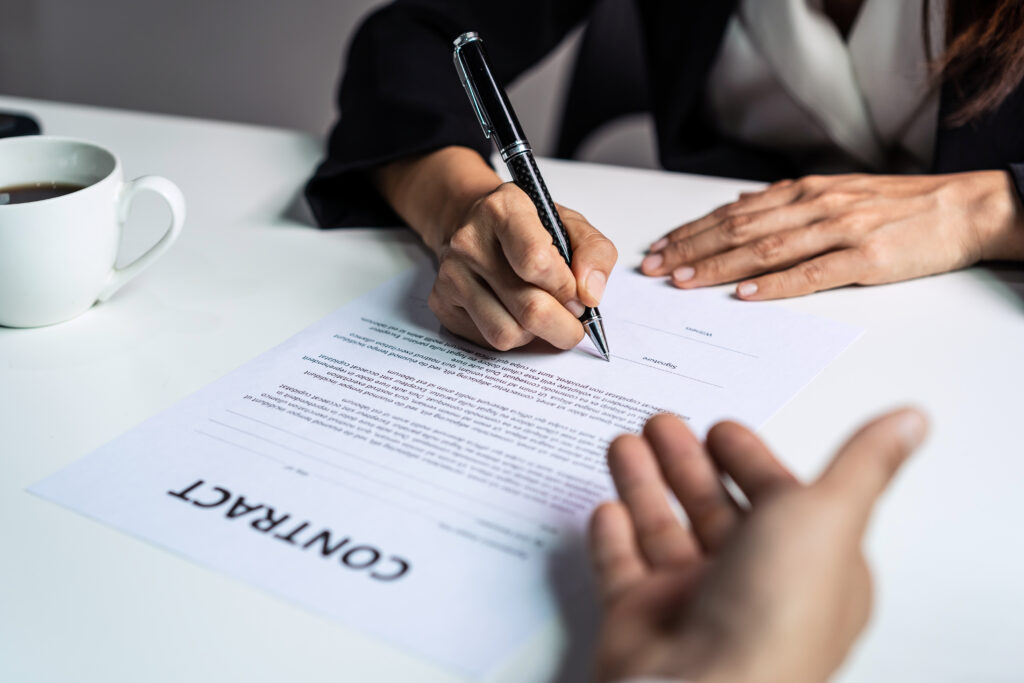
Many performers assume that adult entertainment operates outside traditional legal protections. That’s not true. If an agent is licensed and bonded, the state regulates them the same way it regulates agents in film, modeling, or music.
Licensed Talent Agents
A licensed agent must follow state rules regarding:
- Contracts
- Commissions
- Payment timelines
- Ethical conduct
- Record‑keeping
Bonded Talent Agents
A bond is a financial guarantee that protects performers. If an agent:
- Fails to pay you
- Charges illegal fees
- Misrepresents bookings
- Violates your contract
- Acts fraudulently
…you can file a claim against their bond and potentially recover damages.
Do These Protections Apply to Adult Entertainment?
Yes. State law regulates the business activity of procuring work—not the type of work.
If an agent books you for:
- Adult film
- Fetish shoots
- Webcam or livestreaming
- Erotic modeling
- BDSM or kink content
- Strip club bookings
- Content creator collaborations
…and they are licensed and bonded, you have full legal protection.
Step 1: File a Complaint With Your State’s Licensing Authority

This is the most important step. The state agency that licenses talent agents can:
- Investigate misconduct
- Mediate disputes
- Impose fines
- Suspend or revoke licenses
- Provide bond information
Below are the correct agencies for major adult‑industry states.
California
California Division of Labor Standards Enforcement (DLSE)– Talent Agency Unit
Florida
Florida Department of Business & Professional Regulation (DBPR) Division of Professions – Talent Agency Licensing
For fraud or deceptive practices: Florida Attorney General – Consumer Protection Division
Nevada
Nevada Office of the Labor Commissioner
They oversee:
- Licensing
- Fee disputes
- Contract violations
- Misconduct investigations
For fraud: Nevada Attorney General – Bureau of Consumer Protection
For All Other States
Check with your Department of Labor and Attorney General.
What to Include in Your Complaint

To strengthen your case, gather:
- Contracts or booking agreements
- Screenshots of messages
- Emails and texts
- Payment receipts
- Proof of withheld earnings
- A timeline of events
- Names of witnesses or collaborators
Step 2: File a Claim Against the Agent’s Bond
This is one of the strongest protections adult performers have.
How to File a Bond Claim
- Get the agent’s bond number and bonding company.
- Contact the bonding company directly.
- Submit a written claim describing the misconduct.
- Provide evidence of damages.
Bonding companies are legally required to investigate and pay valid claims.
Step 3: File a Complaint With the Better Business Bureau (BBB)
The BBB creates a public record of your complaint and pressures the agent to respond. This is especially useful if:
- You want a fast resolution
- You want public accountability
- You’re seeking a refund or correction
Step 4: Contact Your State Attorney General
If your case involves:
- Fraud
- Misrepresentation
- Illegal fees
- Deceptive business practices
- Contract violations
…the Attorney General’s Consumer Protection Division can investigate.
Step 5: Consider Small Claims Court

If the dispute involves money—unpaid earnings, illegal fees, or breach of contract—small claims court is often the fastest legal remedy.
Why Small Claims Court Works
- No attorney required
- Low filing fees
- Quick hearings
- Judges understand contract disputes
- You can sue for damages up to your state’s limit
Bring:
- Contracts
- Payment records
- Screenshots
- Communication logs
Common Reasons Adult Performers File Complaints
Adult performers often face unique challenges, but the reasons for filing complaints are similar to mainstream entertainment:
- Unpaid earnings
- Illegal or excessive fees
- Misrepresentation of bookings
- Failure to communicate
- Contract violations
- Fraud or deception
- Harassment or unethical behavior
- Unauthorized agreements
- Withholding content or media
How Adult Performers Can Strengthen Their Case
1. Document Everything
Save every message, contract, and receipt.
2. Keep Communication Professional
Your credibility matters.
3. Be Clear and Specific
Provide dates, amounts, and detailed descriptions.
4. Know Your Rights
Most states regulate:
- Commission limits
- Contract requirements
- Payment timelines
- Fee structures
Final Thoughts: Adult Performers Have Real Legal Protections
The adult entertainment industry may be unconventional, but your rights are not. If a talent agent is licensed and bonded, you have powerful tools to hold them accountable.
By following the steps in this guide, you can:
- Protect your income
- Hold unethical agents responsible
- Recover lost money
- Safeguard your career
- Help prevent future misconduct